Inborn Errors of Immunity (Primary Immunodeficiency)
What is Inborn Errors of Immunity (Primary Immunodeficiency)?
Inborn Errors of Immunity (IEI), formerly known as Primary Immunodeficiency (PID), are a diverse group of genetic disorders characterized by intrinsic defects in the development and/or function of the immune system. These defects can affect innate and/or adaptive immunity, leading to increased susceptibility to infections, immune dysregulation, autoimmunity, allergy and malignancy. Over 400 distinct IEI disorders are recognized and new forms continue to be discovered with advances in genomic sequencing technologies. IEIs can present at any age, though many manifest during infancy or childhood.



Synonyms
- Primary Immunodeficiency
- Congenital Immunodeficiencies
- Genetic Immunodeficiencies
Inborn Errors of Immunity (IEI), formerly known as Primary Immunodeficiency (PID), are a diverse group of genetic disorders characterized by intrinsic defects in the development and/or function of the immune system. These defects can affect innate and/or adaptive immunity, leading to increased susceptibility to infections, immune dysregulation, autoimmunity, allergy and malignancy. Over 400 distinct IEI disorders are recognized and new forms continue to be discovered with advances in genomic sequencing technologies. IEIs can present at any age, though many manifest during infancy or childhood.
The overall prevalence of IEI is estimated to be approximately 1 in 1,000 to 1 in 5,000. Common variable immunodeficiency (CVID), the most frequently diagnosed IEI, has a prevalence of 1 in 25,000 to 1 in 50,000. Certain IEIs are more common in populations with high consanguinity or founder mutations.
| Name | Abbreviation |
|---|---|
| Primary Immunodeficiency | PID |
| Congenital Immunodeficiencies | |
| Genetic Immunodeficiencies |
IEIs arise from single-gene mutations that impair the development, differentiation, or function of immune cells or molecules. These mutations can be inherited in autosomal recessive, autosomal dominant, or X-linked patterns (see RareShare Guide on Genetic Inheritance). The underlying defects can affect:
-
Innate immunity: including phagocyte (cells capable of engulfing particles) function (e.g., Chronic Granulomatous Disease), complement pathways, and pattern recognition receptors (e.g., TLR signaling defects).
-
Adaptive immunity: affecting B-cell development (e.g., agammaglobulinemia), T-cell signaling (e.g., Severe Combined Immunodeficiency or SCID), or antibody production (e.g., CVID).
-
Immune regulation: causing autoimmunity or hyperinflammatory syndromes (e.g., IPEX, ALPS, CTLA4 deficiency).
A mechanism-based approach referencing the major defective immunological pathway is used to classify IEIs. The major categories of IEI include:
-
Predominantly Antibody Deficiencies: This is the largest single group, accounting for approximately 50% of all diagnosed PIDs. These disorders are characterized by absent, low, or faulty antibodies, leading to increased susceptibility to infections. Examples include Common Variable Immune Deficiency (CVID) and X-linked agammaglobulinemia (XLA).
-
Combined Immunodeficiencies (CIDs) and Predominantly T-cell Deficiencies: These affect cellular immunity and are often severe, encompassing conditions like Severe Combined Immunodeficiency (SCID).
-
Phagocytic Disorders: These involve defects in innate cellular function, such as Chronic Granulomatous Disease (CGD).
-
Complement Deficiencies: Accounting for a small percentage of PIDs (less than 2%), these defects impair functions like opsonization and lysis that target the destruction of microorganisms. Deficiencies in complement components are associated with autoimmune diseases such as Systemic Lupus Erythematosus (SLE).
While IEIs typically result from a mutation in a single gene, a combination of genetic vulnerability and environmental factors may also contribute to manifestation of the disease.
Symptoms of IEIs are highly variable depending on the specific genetic defect and family history. Common features may include:
-
Recurrent or severe infections involving the respiratory tract, skin, gastrointestinal system or bloodstream.
-
Failure to thrive in infants or children, such as poor growth and weight loss.
-
Chronic diarrhea or malabsorption.
-
Autoimmune problems such as lupus, type 1 diabetes or thyroiditis.
-
Allergic manifestations including eczema or food allergies.
-
Enlarged lymph nodes, spleen or liver.
-
Inflammation of internal organs.
-
Blood disorders such as cytopenias or low numbers of mature blood cells.
IEI diagnosis requires a combination of clinical evaluation, laboratory testing, and genetic analysis including:
-
Clinical suspicion: based on recurrent, severe, or unusual infections; poor growth; or family history.
-
Basic laboratory tests:
-
Complete blood count with differential (for lymphopenia or neutropenia)
-
Quantitative immunoglobulin levels (IgG, IgA, IgM, IgE)
-
Vaccine response testing (to evaluate antibody function)
-
-
Advanced immunologic testing:
-
Flow cytometry for lymphocyte subsets (T, B, NK cells)
-
Neutrophil oxidative burst testing (for phagocyte defects)
-
Complement activity assays
-
-
Genetic testing:
-
Targeted gene panels, whole-exome sequencing (WES), or whole-genome sequencing (WGS) for molecular confirmation.
-
-
Functional assays:
-
Cytokine release, proliferation, or signaling studies to assess immune function.
-
Management depends on the type and severity of the immune defect, and aims to prevent infection, correct immune dysfunction and manage complications.
-
Infection prevention and control:
-
Prophylactic antibiotics, antifungals, or antivirals.
-
Immunoglobulin replacement therapy (IVIG or SCIG) for antibody deficiencies.
-
Aggressive treatment of infections.
-
-
Immune restoration or modulation:
-
Hematopoietic stem cell transplantation (HSCT) is curative for several severe forms such as SCID, Wiskott–Aldrich syndrome, and chronic granulomatous disease.
-
Gene therapy has shown success in specific IEIs like ADA-SCID and X-linked SCID.
-
Immunosuppressive or biologic therapies (e.g., corticosteroids, rituximab, abatacept, or JAK inhibitors) for autoimmune or hyperinflammatory complications.
-
-
Supportive care:
-
Nutritional support, infection surveillance, vaccination with inactivated vaccines, and avoidance of live vaccines in most cases.
-
The prognosis for IEI varies widely depending on the genetic subtype, severity, and timing of diagnosis and treatment. Early diagnosis and appropriate management have significantly improved survival and quality of life. Severe combined immunodeficiencies are fatal within the first year of life if untreated, but with HSCT or gene therapy, survival rates now can exceed 90% for some types. Individuals with milder IEIs, such as CVID, may live into adulthood but are at risk for chronic lung disease, autoimmunity, and malignancy.
For patients successfully managed with immunoglobulin replacement therapy or who have survived curative HSCT, the focus shifts from immediate life extension to the management of chronic morbidity. Patients may face ongoing risks from severe chronic infections or progressive organ damage.
-
IJspeert H, Edwards ESJ, O'Hehir RE, Dalm VASH, van Zelm MC. 2024. “Update on inborn errors of immunity.” J Allergy Clin Immunol. 155(3):740-751. doi: 10.1016/j.jaci.2024.12.1075. Epub 2024 Dec 24. PMID: 39724969.
-
Tangye SG, Nguyen T, Deenick EK, Bryant VL, Ma CS. 2023. “Inborn errors of human B cell development, differentiation, and function.” J Exp Med. 220(7):e20221105. doi: 10.1084/jem.20221105. Epub 2023 Jun 5. PMID: 37273190; PMCID: PMC10242086.
-
The Binding Site: Primary Immunodeficiency (PID).
-
Centers for Disease Control and Prevention: About Primary Immunodeficiency (PI).
-
Immune Deficiency Foundation: What is PI?.
Last updated 26 Jun 2021, 05:57 PM
26 Jun 2021, 05:55 PM
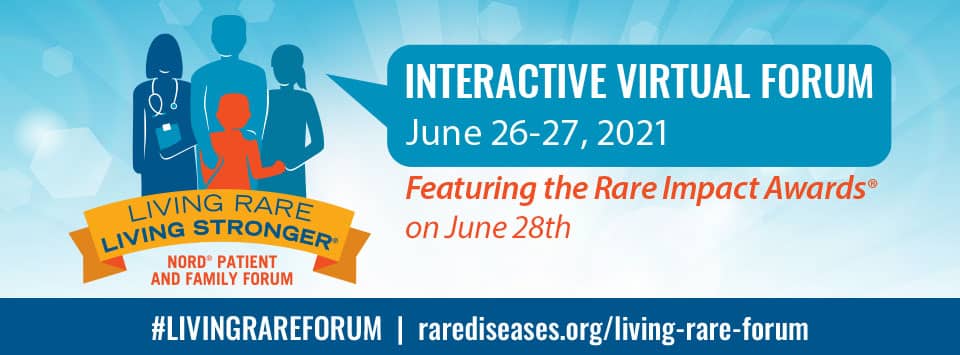
I'm attending the virtual 2021 Living Rare, Living Stronger NORD Patient and Family Forum today and tomorrow!
It is amazing! wonderful presenters and ways to network with patient peers and medical experts:
https://rarediseases.org/
Last updated 14 Jun 2021, 01:21 AM
14 Jun 2021, 01:21 AM
Hi,
I have a Primary Immune Deficiency and found the Immune Deficiency Foundation to be super helpful with support and educational material and programs.
In Canada, CIPO, The Canadian Immunodeficiencies Patient Organization is also providing resources, peer support, and helpful information.
Last updated 29 May 2009, 09:54 AM
29 May 2009, 09:54 AM
Oh I see. Thank you for your reply. Symptoms from the last week: I've had a post nasal drip, sore throat and a deep irritating cough with extreme fatigue. I'm just over the worst of the flu - (it's winter here now). My medical cover is almost exhausted - getting treatment here is extremely expensive and I almost always need two different types of anti-biotic courses in order to overcome an infenction / illness - I seem to be falling ill now every two months. Taking off from work because of being extremely ill, is now almost impossible for me to do - I have to go to work every day, no matter how sick or exhausted I am feeling. I'm being treated by a doctor with a three monthly Polygam Infusion of 24 grams. I've had this treatment for over a year now but I can't see or feel any difference really because I'm healthy for a while and then sick soon after again. As a patient I would like to have more information about this disease and different types of treatment options availbale - It would be very nice if the effects of the illness could be made known to the bublic or at least colleagues, friends and family.
29 May 2009, 08:50 AM
Ah, I see your point :-) Here is the kind of data that I know would be useful for some clinicians I work with in the UK: 1 - symptoms from the last week (cough, breathlessness, sputum, nasal discharge, diarrhoea) 2 - effects on life: visits to physician, antibiotic therapy, days off work / school 3 - for home therapy, batch numbers medications and site and number of attempts for needle. So my question is, what other kinds of data would your clinicians find useful, or would you like to collect as a patient? Thank you!
28 May 2009, 10:01 AM
I have an Immunoglobulin Deficiency - all 13 Isotype levels are way below normal. What information are you looking for exactly?
| Title | Description | Date | Link |
|---|---|---|---|
| IDF: The Immune Deficiency Foundation |
The Immune Deficiency Foundation is an American organization providing resources, support, networking and education for Patients, Families, and the Medical community. https://primaryimmune.org/
|
07/07/2021 | |
| CIPO: Canadian Immunodeficiencies Patient Organization |
The Canadian Immunodeficiencies Patient Organization provides Education, Support, and Advocacy for Patients, Families, and the Medical communities. http://www.cipo.ca/
|
07/07/2021 | |
| NORD: National Organization for Rare Disorders |
The National Organization for Rare Disorders is an American organization providing information, support and networking for Patients, Families, and the Medical community. https://rarediseases.org/about/
|
07/07/2021 | |
| Rare Disease Foundation |
The Rare Disease Foundation, a Canadian organization, provides information and support services for Patients, Families, and the Medical communities. https://rarediseasefoundation.org/
|
07/07/2021 | |
| Primary Immunodeficiency Association (PiA) |
PiA exists to support people living with Primary Immunodeficiencies. We liaise with clinicians and immunologists, fund relevant research and campaign for the rights of our members in the UK. |
03/20/2017 |



Clinical Trials

CoRDS, or the Coordination of Rare Diseases at Sanford, is based at Sanford Research in Sioux Falls, South Dakota. It provides researchers with a centralized, international patient registry for all rare diseases. This program allows patients and researchers to connect as easily as possible to help advance treatments and cures for rare diseases. The CoRDS team works with patient advocacy groups, individuals and researchers to help in the advancement of research in over 7,000 rare diseases. The registry is free for patients to enroll and researchers to access.
Enrolling is easy.
- Complete the screening form.
- Review the informed consent.
- Answer the permission and data sharing questions.
After these steps, the enrollment process is complete. All other questions are voluntary. However, these questions are important to patients and their families to create awareness as well as to researchers to study rare diseases. This is why we ask our participants to update their information annually or anytime changes to their information occur.
Researchers can contact CoRDS to determine if the registry contains participants with the rare disease they are researching. If the researcher determines there is a sufficient number of participants or data on the rare disease of interest within the registry, the researcher can apply for access. Upon approval from the CoRDS Scientific Advisory Board, CoRDS staff will reach out to participants on behalf of the researcher. It is then up to the participant to determine if they would like to join the study.
Visit sanfordresearch.org/CoRDS to enroll.
Community Leaders
PearlyEverlasting
I reside in Toronto, Canada, and live with two rare conditions: MALS (Median Arcuate Ligament Syndrome) and PID (Primary Immune Deficiency).
It took decades of being a super-sleuth to be properly diagnosed with these conditions! My hope is to provide whatever experiences I have gained along the way to assist you with your research for the right people and right answers.
Thankfully, these days there are so many excellent organizations to contact for education, support, and networking, and RareShare is providing a host for us all to network and build a strong and vibrant presence as an important patient and provider population.
Please feel welcome to view the many items here! They are meant for all: patients, family and supporters, caregivers, medical professionals, research proferssionals, and healthcare advocates.
And yes, I can still play the Oboe!
Expert Questions
Ask a question
Community User List
I reside in Toronto, Canada, and live with two rare conditions: MALS (Median Arcuate Ligament Syndrome) and PID (Primary Immune Deficiency).
It took decades of being a super-sleuth to be properly...
I'm almost always sick and I've become severely depressed about this...
Start a Community
Don't See Your Condition On Rareshare?
Start your own! With a worldwide network of 8,000 users, you won't be the only member of your community for long.
FAQ
Have questions about rareshare?
Visit our Frequently Asked Questions page to find the answers to some of the most commonly asked questions.
Discussion Forum
2021 Living Rare, Living Stronger NORD Patient and Family Forum June 26-27!
Created by PearlyEverlasting | Last updated 26 Jun 2021, 05:57 PM
Organizations for PI
Created by PearlyEverlasting | Last updated 14 Jun 2021, 01:21 AM
What data do you need to give to your clinicians?
Created by idiopathic | Last updated 29 May 2009, 09:54 AM

Our Communities
Join Rareshare to meet other people that have been touched by rare diseases. Learn, engage, and grow with our communities.
FIND YOUR COMMUNITY
Our Resources
Our rare disease resources include e-books and podcasts

Our Community Leaders
Community leaders are active users that have been touched by the rare disease that they are a part of. Not only are they there to help facilitate conversations and provide new information that is relevant for the group, but they are there for you and to let you know you have a support system on Rareshare.