Charcot-Marie-Tooth Disease
What is Charcot-Marie-Tooth Disease?
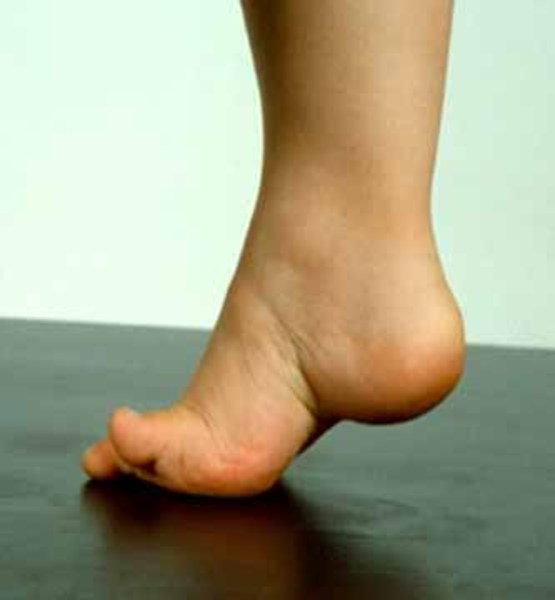
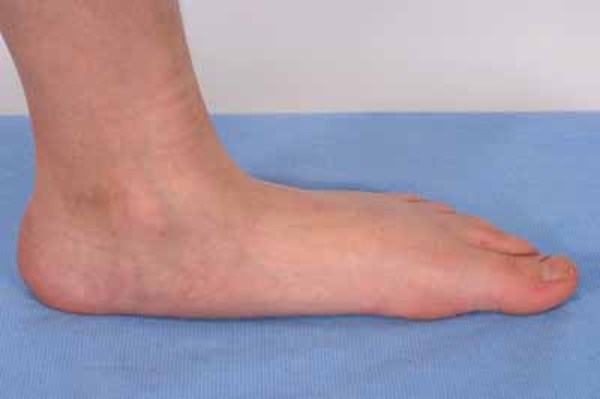
Charcot-Marie-Tooth disease (CMT) is a group of inherited neurological disorders that affect the peripheral nerves—the nerves that connect the brain and spinal cord to the muscles and sensory cells in the body. CMT primarily causes progressive weakness and atrophy in the muscles of the feet, lower legs, hands, and forearms, along with sensory loss. It is classified as a hereditary motor and sensory neuropathy and is characterized by slowly worsening muscle function and, in some cases, significant disability. Though symptoms often begin in adolescence or early adulthood, the severity and rate of progression vary widely among individuals and types. Often, individuals with more severe symptoms first experience abnormalities in the feet, such as high arches (pes cavus), flat feet (pes planus), or curled toes (hammer toes). This can cause a change in step or gait patterns to account for pain and/or difficulty balancing, and is often one of the first signs of this condition.
Charcot-Marie-Tooth describes a group of conditions, some of which include Type 1 (CMT1), Type 2 (CMT2), Type 4 (CMT4), Type X (CMTX), and subtypes such as CMT1A, CMT1B, CMT2A, CMT4A, and CMTX1 often as a result of variations of the first 3 groups. CMT1 is often characterized by abnormalities in the myelin sheath surrounding nerve cell axons, leading to degeneration. CMT2 often affects the development of the axon itself, leading to premature breaks or abnormally shortened neural cells. CMT4 is distinct from CMT1 and CMT2 by its pattern of inheritance, but it can affect either the myelin sheath or the axon. CMTX is caused by genetic mutations in the X chromosome, and often occurs in individuals born genetically male due to a lack of another X chromosome inherited from the father.



Synonyms
- Hereditary motor and sensory neuropathy
- Peroneal muscular atrophy
- CMT neuropathy
Charcot-Marie-Tooth disease (CMT) is a group of inherited neurological disorders that affect the peripheral nerves—the nerves that connect the brain and spinal cord to the muscles and sensory cells in the body. CMT primarily causes progressive weakness and atrophy in the muscles of the feet, lower legs, hands, and forearms, along with sensory loss. It is classified as a hereditary motor and sensory neuropathy and is characterized by slowly worsening muscle function and, in some cases, significant disability. Though symptoms often begin in adolescence or early adulthood, the severity and rate of progression vary widely among individuals and types. Often, individuals with more severe symptoms first experience abnormalities in the feet, such as high arches (pes cavus), flat feet (pes planus), or curled toes (hammer toes). This can cause a change in step or gait patterns to account for pain and/or difficulty balancing, and is often one of the first signs of this condition.
Charcot-Marie-Tooth describes a group of conditions, some of which include Type 1 (CMT1), Type 2 (CMT2), Type 4 (CMT4), Type X (CMTX), and subtypes such as CMT1A, CMT1B, CMT2A, CMT4A, and CMTX1 often as a result of variations of the first 3 groups. CMT1 is often characterized by abnormalities in the myelin sheath surrounding nerve cell axons, leading to degeneration. CMT2 often affects the development of the axon itself, leading to premature breaks or abnormally shortened neural cells. CMT4 is distinct from CMT1 and CMT2 by its pattern of inheritance, but it can affect either the myelin sheath or the axon. CMTX is caused by genetic mutations in the X chromosome, and often occurs in individuals born genetically male due to a lack of another X chromosome inherited from the father.
CMT is one of the most common inherited neurological disorders, affecting approximately 1 in 2,500 people worldwide. It occurs across all ethnic groups and affects males and females equally
| Name | Abbreviation |
|---|---|
| Hereditary motor and sensory neuropathy | HMSN |
| Peroneal muscular atrophy | |
| CMT neuropathy |
CMT is caused by mutations in genes that affect the structure and function of peripheral nerves. Over 100 different genes have been associated with various forms of CMT. These mutations can disrupt the nerve’s ability to transmit signals (due to defective myelin sheath or axons), leading to progressive nerve damage. Longer nerves are especially susceptible to degeneration when certain proteins are not produced, leading to peripheral nerve damage in the hands, fee, and legs. The condition is inherited in several patterns, including autosomal dominant, autosomal recessive, and X-linked forms (see Rareshare Guide on Genetic Inheritance). Genetic mutations associated with Charcot-Marie-Tooth continue to grow, and below are some of the most common along with the type of CMT they cause.
The most common form, CMT1A, is caused by a duplication of the PMP22 gene. About 70-80% of individuals with CMT1 have this particular genetic mutation. This gene encodes the peripheral myelin protein 22, a component of myelin that protects the nerve cell axon and enables transmission of nerve impulses. This is especially important in cases where nerves become pinched or compressed, and can cause the sensation of prickling or “falling asleep”. Some people with CMT1 will experience numbness or tingling in their hands and feet alight to this “falling asleep” sensation.
About 10-12% of individuals with CMT1 have mutations in the MPZ gene. This encodes myelin protein zero, the most abundant protein in myelin, and acts as an adhesion molecule to tightly pack nerve axons together in the peripheral nervous system.
CMT2 is caused by mutations in the MFN2 gene in about 20% of cases. This encodes the protein mitofusin 2, which determines the shape of the mitochondria organelle. It is important for the formation of mitochondria in the muscles, spinal cord, and brain, and its dysfunction can cause reduced sensory functions such as touch, heat, pain, and even sound.
About 90% of cases of CMTX are caused by mutations in the GJB1 gene. THis gene encodes protein gap junction beta-1, also known as connexin-32. Gap junctions play an important role in sending signals and nutrients between cells, especially neurons. Connexin-32 is specifically expressed in organs such as the liver, pancreas, and kidneys, and forms channels in the myelin sheaths of nerve cells. Its dysfunction can lead to abnormalities of these organs or a lack of communication between neurons.
Symptoms typically begin in childhood or adolescence but may also appear in adulthood. They include:
-
Muscle weakness in the lower legs and feet, leading to foot drop and difficulty walking
-
High arches (pes cavus) or flat feet
-
Hammertoes (abnormal bending of the toes)
-
Weakness and atrophy in the hands and forearms
-
Numbness or reduced sensation in the limbs
-
Poor balance and frequent tripping or falls
-
Fatigue from increased effort in mobility
Symptoms tend to worsen slowly over time and can vary significantly in severity even within the same family.
Diagnosis is based on clinical evaluation, family history, and confirmation through genetic testing. Neurologists typically look for characteristic signs such as muscle weakness, atrophy, and sensory loss in a stocking-glove pattern. Another frequent characteristic of those with CMT are abnormally arched or flattened feet, which can be a clue for geneticists to pursue a diagnosis of CMT.
-
Electromyography (EMG) and Nerve Conduction Studies (NCS): Evaluate the electrical activity of muscles and the speed of nerve signals, helping differentiate between axonal and demyelinating forms of CMT.
-
Genetic Testing: Identifies specific gene mutations associated with different subtypes of CMT.
-
Nerve Biopsy: Rarely used, but can show loss of myelin or axonal degeneration.
Physical and Neurological Exams: Assess reflexes, muscle tone, and coordination.
There is currently no cure for CMT, but treatment focuses on symptom management and improving quality of life:
-
Physical Therapy: Maintains muscle strength and flexibility.
-
Occupational Therapy: Helps individuals manage daily activities and preserve hand function.
-
Orthopedic Devices: Braces (such as ankle-foot orthoses) can help with foot drop and walking stability.
-
Pain Management: Medications may be used to treat neuropathic pain.
-
Genetic Counseling: Important for affected individuals and families planning for children.
Surgical Intervention: In some cases, corrective surgery for foot deformities may be recommended.
The prognosis for CMT varies based on the type and severity. While the disease is progressive, it does not typically affect life expectancy. Most individuals with CMT remain able to walk and lead active lives with appropriate supportive care, though some may require assistive devices. Quality of life can be impacted by physical limitations, but regular therapy and management can help maintain function and independence.
Last updated 6 Aug 2008, 01:33 AM
6 Aug 2008, 01:33 AM
My daughter has Giant Axonal Neuropathy, (GAN). This is an autosomal recessive disorder. The mutation is on the 16th chromosome and the gene is also called GAN. This disorder is very similar to the axonal versions of CMT. We have formed the first org. in the world for GAN and are hosting a scientific symposium to being scientists together to stop this horrific, fatal disease. Please visit our website at www.hannahshopefund.org and let us know what's going on with CMT research for axonal degeneration. Innocent peoples lives depend on us all....
| Title | Date | Link |
|---|---|---|
| Parents Refuse To Take No For An Answer When Son Is Diagnosed With Incurable Disease | 01/22/2022 | |
| A new research effort takes aim at 8 rare diseases. It could revolutionize many more. | 05/27/2023 | |
| Her 5-year-old has a severe, rare disease. There's a cure, but she can't get it. | 08/29/2025 | |
| What is Charcot-Marie-Tooth disease? 911 Nashville actor Isabelle Tate’s cause of death explained | 10/24/2025 |
Clinical Trials

CoRDS, or the Coordination of Rare Diseases at Sanford, is based at Sanford Research in Sioux Falls, South Dakota. It provides researchers with a centralized, international patient registry for all rare diseases. This program allows patients and researchers to connect as easily as possible to help advance treatments and cures for rare diseases. The CoRDS team works with patient advocacy groups, individuals and researchers to help in the advancement of research in over 7,000 rare diseases. The registry is free for patients to enroll and researchers to access.
Enrolling is easy.
- Complete the screening form.
- Review the informed consent.
- Answer the permission and data sharing questions.
After these steps, the enrollment process is complete. All other questions are voluntary. However, these questions are important to patients and their families to create awareness as well as to researchers to study rare diseases. This is why we ask our participants to update their information annually or anytime changes to their information occur.
Researchers can contact CoRDS to determine if the registry contains participants with the rare disease they are researching. If the researcher determines there is a sufficient number of participants or data on the rare disease of interest within the registry, the researcher can apply for access. Upon approval from the CoRDS Scientific Advisory Board, CoRDS staff will reach out to participants on behalf of the researcher. It is then up to the participant to determine if they would like to join the study.
Visit sanfordresearch.org/CoRDS to enroll.
Community Leaders
Expert Questions
Ask a question
Community User List
Sorry for my bad English, but I don't know English very well.
My name is Michele and I live in Italy.
I'm suffering of Charcot Marie Tooth 1B.
I hope that there...
With...
Start a Community
Don't See Your Condition On Rareshare?
Start your own! With a worldwide network of 8,000 users, you won't be the only member of your community for long.
FAQ
Have questions about rareshare?
Visit our Frequently Asked Questions page to find the answers to some of the most commonly asked questions.
Discussion Forum
This college student living with Charcot-Marie-Tooth is one of the first to undergo experimental gene therapy treatment
Created by | Last updated 25 Jul 2019, 01:34 PM
Any news on Gene therapy?
Created by micdesa | Last updated 31 Mar 2016, 08:49 AM
CMT - axonal degeneration
Created by lsames | Last updated 6 Aug 2008, 01:33 AM

Our Communities
Join Rareshare to meet other people that have been touched by rare diseases. Learn, engage, and grow with our communities.
FIND YOUR COMMUNITY
Our Resources
Our rare disease resources include e-books and podcasts

Our Community Leaders
Community leaders are active users that have been touched by the rare disease that they are a part of. Not only are they there to help facilitate conversations and provide new information that is relevant for the group, but they are there for you and to let you know you have a support system on Rareshare.